
Turnitin Score Meaning: How to Read Your Similarity Report

Many students encounter the term Turnitin score meaning when submitting assignments or reviewing originality reports.
Often, students are unsure what the percentage reflects, which parts indicate potential issues, or how to act on the results.
This article will break down how Turnitin calculates similarity, explain the meaning of different score ranges, highlight common misconceptions, and provide actionable advice for improving scores.
Keep reading to gain a clear understanding of your Turnitin report.

What a Turnitin Score Represents
Turnitin scores reflect the percentage of matched text in your submission. Understanding this helps distinguish between acceptable overlaps and potential plagiarism concerns.
How Turnitin Calculates Similarity
Turnitin analyzes a submitted document by comparing its text against a large collection of existing content. The system highlights matching strings of words and calculates how much of the paper overlaps with its comparison sources.
The result is a Turnitin similarity percentage that forms the basis of the meaning of the Turnitin score, but it does not judge intent or writing quality.
Text Matching Algorithms
Turnitin uses pattern-recognition algorithms to identify identical or closely similar sequences of words.
These algorithms focus on text matches rather than ideas, meaning common phrases, quoted material, or reused wording can all raise the similarity score even when sources are cited correctly.
Database Sources Checked (Publications, Student Papers, Internet)
Similarity checks are drawn from academic journals, books, websites, and previously submitted student papers stored in Turnitin’s databases.
Because these sources are broad, even original work may show matches if it discusses widely covered topics or uses standard academic language.
Types of Matches in Turnitin Reports

Not all matches carry the same weight. Turnitin categorizes overlaps based on how closely the text aligns with existing sources, which affects how the score should be interpreted.
Direct Matches
Direct matches occur when text is copied word for word from a source. These are usually highlighted clearly in the report and contribute strongly to the similarity percentage, especially if they appear in large blocks without quotation marks.
Similar Phrasing and Paraphrasing Matches
Paraphrased content can still register as a match if the structure or wording remains too close to the original.
This often surprises students reviewing the interpretation of the Turnitin score for the first time, as properly cited but poorly paraphrased text may still increase the score.
Interpreting Different Score Ranges
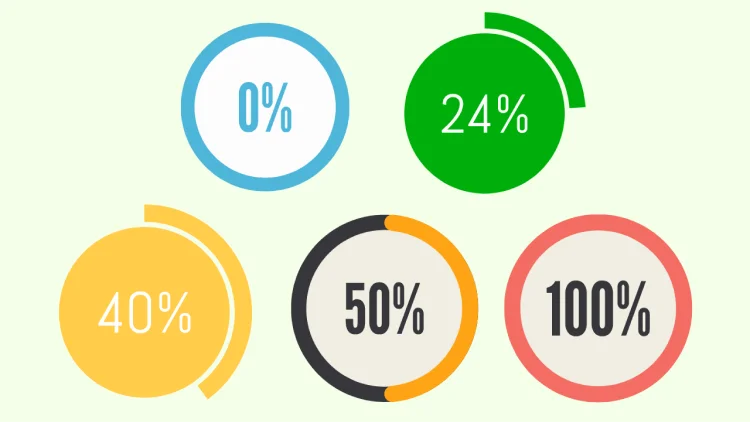
Similarity percentages must be read in context. Instructors often consider assignment type, discipline, and citation expectations when evaluating a report.
Low Similarity Scores
Low scores typically indicate minimal overlap with existing sources. This often suggests original phrasing, but it does not automatically guarantee strong citations or accurate sourcing.
Medium Similarity Scores
Medium scores commonly appear in research-based assignments that include quotations, references, or standard terminology.
Reviewing highlighted sections helps determine whether these matches are appropriate or need revision.
High Similarity Scores
High scores signal extensive overlap and usually require closer review. In many cases, students should check whether citations are missing, quotations are improperly formatted, or paraphrasing needs improvement before final submission.
Common Misunderstandings About Turnitin Scores
High Scores vs. Plagiarism
A frequent misunderstanding is that a high similarity percentage automatically means plagiarism. In reality, Turnitin only reports matched text, not whether sources were used ethically.
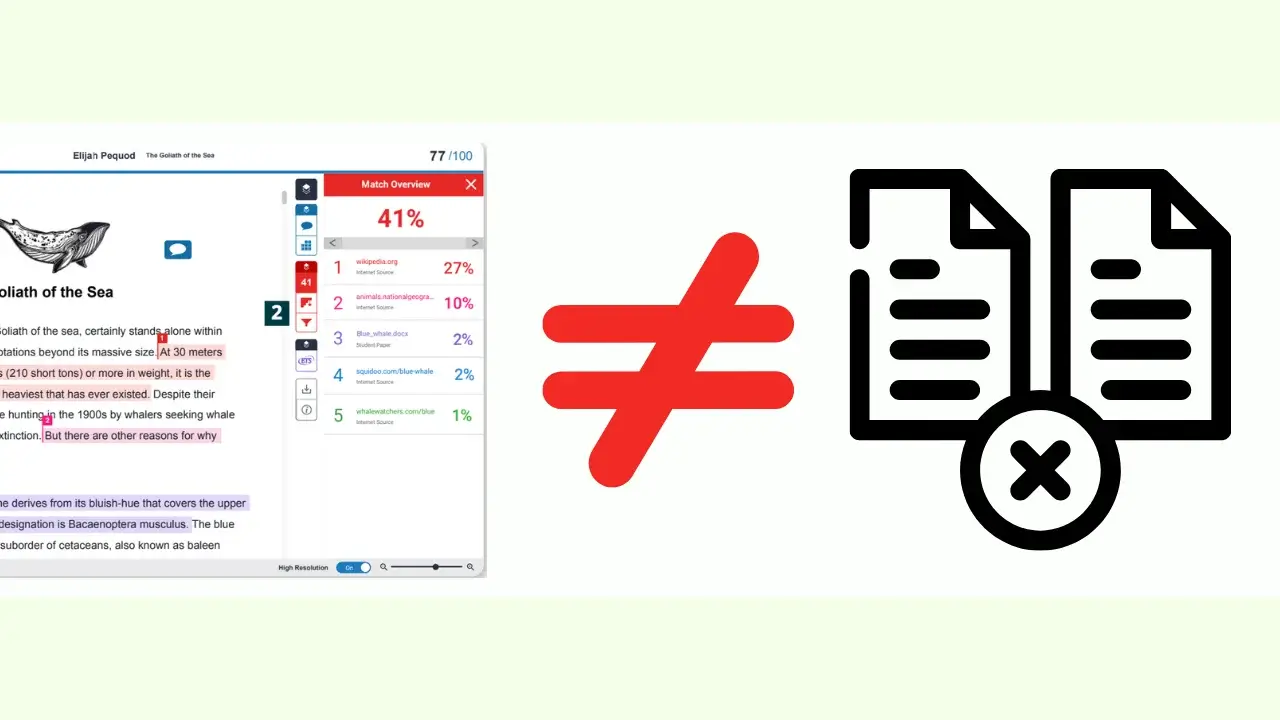
Assignments with many quotations, references, or standardized language can show high scores even when citations are correct. Interpreting the interpretation of the Turnitin score requires reviewing where matches occur, not just focusing on the percentage.
Low Scores and Originality Misconceptions
Low similarity scores are often assumed to confirm originality, but this is not always accurate. A paper can avoid direct matches while still relying on weak paraphrasing or missing citations.
Instructors may still question academic integrity if ideas closely follow sources without proper acknowledgment, even when Turnitin reports minimal overlap.
Self-Plagiarism Considerations
Students are often surprised to see matches from their own previous work. Turnitin can flag reused text from earlier submissions stored in its database, which may count as self-plagiarism depending on course rules.
Understanding whether reuse is allowed usually requires checking the assignment guidelines or asking the instructor directly.
Common Sources of False Positives
Certain matches are difficult to avoid, such as titles, reference lists, templates, or commonly used academic phrases.
Technical terms and definitions can also trigger matches across multiple papers. Reviewing the similarity report line by line helps determine which matches are meaningful and which are routine overlaps.
Clarifying these misunderstandings makes it easier to take practical steps within Turnitin to adjust writing, citations, and formatting before submission.
How to Improve Your Turnitin Score
Proper Citation and Paraphrasing Techniques
Improving results starts with how sources are integrated into writing. Clear citations and effective paraphrasing reduce unnecessary matches while preserving academic integrity.
Understanding the significance of the Turnitin score helps writers focus on revising highlighted sections rather than removing sources altogether.

Quoting Correctly
Direct quotations should be used sparingly and formatted according to the required citation style.
Turnitin checks your citations, so quotation marks and in-text citations clearly signal that any matched content is intentional and properly attributed. This helps instructors understand your sources and often reduces concern, even if the similarity percentage stays the same.
Summarizing vs. Copying
Summarizing requires restating ideas entirely in your own words, not rearranging or lightly editing the source text.
When sentence structure and phrasing are truly original, Turnitin is less likely to flag the passage as a close match.
Avoiding Common Text Matches
Repeated phrases such as assignment prompts, template language, or standard definitions frequently inflate similarity scores.
Where possible, rephrase generic wording and avoid copying instructions directly into the submission unless required.
Using Drafts and Similarity Checks Before Submission
When drafts can be reviewed in Turnitin, checking the similarity report early allows time to revise problem areas.
Students should focus on large or repeated matches and confirm that all sources are cited correctly before final submission.

Collaborating Without Increasing Matches
Group work and peer collaboration can raise similarity scores if text is shared across submissions.
Dividing responsibilities clearly and writing individual sections independently helps limit overlap while still meeting collaboration requirements.
Once these improvement strategies are applied, it becomes easier to judge when a higher similarity score reflects acceptable academic practice rather than a problem.
Situations Where a High Turnitin Score May Be Acceptable
Group Projects and Shared Material
In collaborative assignments, multiple students may submit work that includes shared sections, agreed-upon definitions, or jointly written content.
Turnitin often flags these overlaps, which can raise the similarity percentage without indicating misuse of sources.
Understanding Turnitin score meaning helps students recognize that instructors usually review whether the shared material aligns with the project guidelines rather than judging the score alone.
Standard Phrases and Technical Terms
Some disciplines rely on fixed terminology, formulas, or commonly accepted descriptions that are difficult to rephrase.
These standard phrases frequently appear across many submissions and sources, leading to unavoidable matches.
In such cases, a higher similarity score may reflect subject-specific language rather than a lack of originality.
Literature Reviews and Quoted Material
Literature reviews naturally include citations and direct quotations from existing research. When quotes are correctly formatted and sources are clearly cited, Turnitin will still count the matched text in the overall percentage.
Instructors typically expect this pattern and focus on how well sources are integrated and analyzed, not solely on the similarity score.
With these contexts in mind, readers are better prepared to address common questions about interpreting similarity percentages in Turnitin reports.
FAQ
1. What Turnitin Score Meaning Is Considered Safe for Students?
There is no universal “safe” percentage. Many instructors view lower scores as less risky, but acceptable ranges depend on the assignment type, discipline, and citation requirements.
2. Can a High Turnitin Score Mean I Didn’t Plagiarize?
Yes. A high score can result from properly cited quotations, shared project material, or standard academic language rather than plagiarism.
3. How Does Turnitin Score Meaning Affect Submission Decisions?
Instructors usually review the similarity report details, not just the percentage, to decide whether revisions or further review are needed.
4. Is 20% Too High on Turnitin?
A 20% Turnitin similarity score is generally acceptable for most assignments, especially if matches are from properly cited sources, quotations, or common phrases. Evaluate the context of the matches rather than relying solely on the percentage.
5. How Can I Lower My Turnitin Score Safely?
Focus on proper citation, clear paraphrasing, and revising highlighted sections rather than deleting sources.
6. Can I Submit Multiple Drafts to Check the Score?
Yes, submitting multiple drafts allows you to review your Turnitin similarity score before final submission. Use each draft to identify high-match sections, revise accordingly, and resubmit to track improvements.
Conclusion
Understanding Turnitin score meaning allows students and general writers to interpret similarity reports with clarity rather than anxiety.
This article explained how Turnitin calculates scores, common misunderstandings, practical ways to improve results, and situations where higher percentages are acceptable.
By focusing on report details instead of the number alone, readers can make informed revisions, communicate effectively with instructors, and use Turnitin as a tool to strengthen academic writing.A