
What Is Turnitin Used For in Schools and Beyond Today

If you have submitted an assignment, reviewed a report, or managed content quality, you may have encountered Turnitin and wondered what is Turnitin used for.
Many people are unsure whether it only checks plagiarism, how results are interpreted, or who actually relies on it.
This article breaks down Turnitin’s real-world purposes, clarifies common misunderstandings, and explains its practical value so you can decide how it applies to your situation.

Primary Uses of Turnitin in Practice
The function of Turnitin is to examine written submissions for textual similarities, assist with feedback and grading, and help institutions maintain consistent academic integrity standards.
It compares submitted work against large content databases, produces similarity reports for human review, and integrates tools that streamline teaching, learning, and review workflows without replacing instructor or reviewer judgment.
Originality and Similarity Checking With Turnitin
One of the clearest answers to what is Turnitin used for is identifying how much a submission matches existing sources.
Turnitin compares uploaded work against its databases of student papers, academic publications, and web content, then generates a Turnitin similarity report. That report highlights matched text and sources, helping users see where quotation, citation, or paraphrasing may need attention.
A common misunderstanding is that a percentage alone determines wrongdoing; in practice, instructors review the context of matches before making decisions.
Feedback, Grading, and Workflow Support in Turnitin

Turnitin is also used to support instruction and review, not just detection.
Instructors can leave inline comments, use reusable feedback libraries, and apply rubrics directly within the platform.
For students, this means feedback is tied to specific passages rather than delivered separately.
In everyday use, Turnitin streamlines submission tracking, deadline enforcement, and revision cycles, which is why many courses rely on it as part of routine assessment rather than a one-time check.
Academic Integrity and Policy Alignment Using Turnitin
At an institutional level, what is Turnitin used for extends to maintaining consistent academic integrity standards.

Turnitin reports help align grading and review with published policies by providing shared evidence and documentation.
Administrators may use aggregated data to spot patterns or guide training, while instructors use reports to support fair, explainable decisions.
Turnitin is used to evaluate originality, support feedback, and help organizations uphold content integrity. It compares submissions against large databases and provides reports that guide educators and reviewers. It also integrates tools that streamline review and learning processes.
Understanding these core uses naturally leads to the question of who relies on Turnitin day to day and the different settings in which it is applied.
Who Uses Turnitin and in What Contexts
Turnitin Use by Students and Educators
After understanding the primary uses of Turnitin, it helps to look at who interacts with it most often.
Students typically encounter Turnitin when submitting assignments, viewing similarity reports, and receiving instructor feedback in one place.
Educators use Turnitin to review originality, leave comments, apply rubrics, and manage grading workflows efficiently.
For many classes, the purpose of Turnitin is not solely enforcement, but rather helping to establish clearer expectations and facilitate more transparent evaluation.
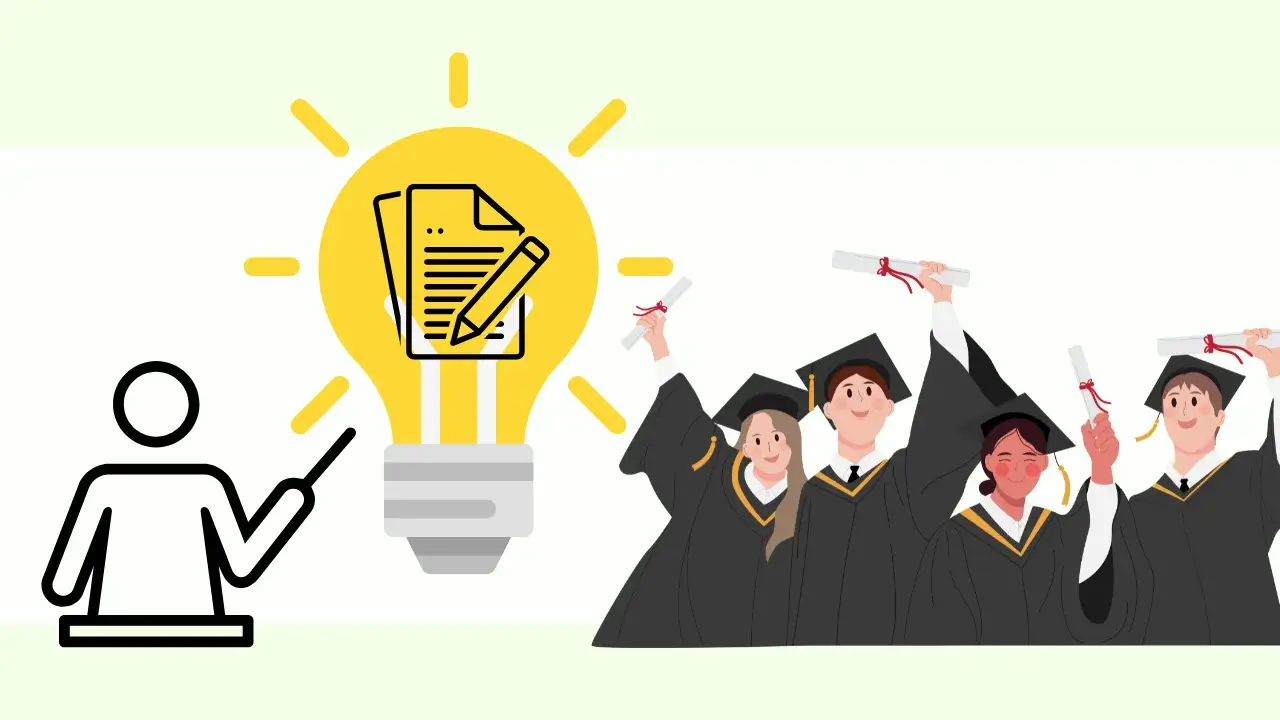
Turnitin Use by Institutions and Administrators
Beyond individual classrooms, institutions rely on Turnitin to apply academic integrity policies consistently.
Administrators may configure settings, define acceptable similarity thresholds, and ensure that instructors follow shared standards.
Turnitin data can also aid in training initiatives by identifying frequent citation or writing problems across courses. In this context, the function of Turnitin is to ensure fairness and provide documentation on a large scale, rather than assessing an individual paper.
Turnitin Use Beyond Academia
Turnitin is also used in non-academic environments where originality and attribution matter.
Some professional training programs, certification bodies, and publishing-related workflows use Turnitin to review written submissions before approval or release. In these settings, reviewers may even check Turnitin score early to avoid issues later.
Here, what is Turnitin used for aligns closely with quality control and content integrity, helping reviewers confirm that material meets required standards.
With these users and settings in mind, the next step is to understand how Turnitin actually performs these functions behind the scenes.
How Turnitin Works at a High Level
Turnitin Databases and Content Comparison
After seeing who uses Turnitin and in what settings, it is useful to understand the mechanics behind those uses.

When a file is submitted, Turnitin compares its text to several internal databases, such as student paper repositories, academic journals, and publicly available online content.
The system searches for identical text strings rather than ideas or intentions. This comparison process explains why the purpose of Turnitin focuses on detecting textual overlap, rather than determining whether the writing is acceptable.
Similarity Reports and Their Proper Interpretation
The result of this process is a similarity report that highlights matched sections and links them to their corresponding sources.
The overall similarity percentage serves as a summary figure, not a final judgment. Instructors and reviewers are expected to assess the locations of matches, verify proper citations, and evaluate the extent of original content around the matches.
For students, understanding this objective clarifies the role of Turnitin in practice: to guide revision and facilitate discussion, rather than automatically categorizing the work as misconduct.
Limits of Turnitin Results and Human Review
Turnitin does not understand context, author intent, or assignment instructions.
It cannot determine whether collaboration was allowed, whether a quotation is appropriate, or whether reused text is permitted under course rules.
Because of these limits, human judgment is always required to interpret reports and make decisions.
Recognizing these boundaries helps set realistic expectations before moving on to common questions about how Turnitin is used and interpreted.
FAQ
1.How Is Turnitin Utilized in Colleges and Universities?
In colleges and universities, Turnitin is employed for checking text similarities, managing assignment submissions, and aiding in grading and providing feedback within courses.
2.How Is Turnitin Applied Outside of Educational Environments?
Outside of educational institutions, Turnitin is used for reviewing written materials in areas such as training, certification, and certain professional or publishing fields.
3.What Is an OK Percentage for Turnitin?
There is no universal “OK” percentage. Generally, low similarity scores (around 15% or lower) with properly cited sources are acceptable, but this depends on your institution’s guidelines.
4.What Does Turnitin Check Free?
Turnitin’s free checks are limited. Some institutions allow draft submissions for originality review, but full reports and AI detection typically require a paid account or institutional access.
5.What Can You Use Turnitin for?
You can use Turnitin to submit work, review similarity reports, provide or receive feedback, and support academic integrity decisions.
Conclusion
This article explained what is turnitin used for by breaking down its core purposes, who relies on it, and how its reports should be understood.
From classroom submissions to institutional policy support and limited use beyond academia, Turnitin functions as a review and feedback system rather than an automatic judge.
Understanding its role, limits, and proper interpretation helps readers approach Turnitin with clearer expectations and more confidence in how it fits into real workflows.