
Turnitin Similarity Score: Practical Tips for Users

The Turnitin similarity score shows how much of your paper matches text from sources in Turnitin's comparison database, but the percentage alone does not decide whether you plagiarized.
Students usually need to know what the percentage means, which matches deserve revision, and when a high score is caused by quotes, references, or assignment requirements.
This article gives practical tips for reading the Turnitin similarity score, reviewing matched sources, revising avoidable overlap, and asking for help when the report needs context.

Reading and Understanding Your Turnitin Similarity Score
Navigating the Match Report
After you know what the Turnitin similarity score represents, examine the report details before deciding what to revise.
The Turnitin Similarity Report highlights text in your submission that matches outside sources. Each match is color-coded and connected to a source so you can see where overlap occurs.
Pay attention to the source type, such as a journal article, website, class handout, or another student paper, because each source changes how you should interpret the match.
Use the match overview or source list to identify which sections contribute most to the score before rewriting anything.

Identifying Major vs. Minor Matches
Not all matches in a Turnitin similarity score carry the same academic risk. Larger matches may involve copied wording or close paraphrasing, while smaller matches may come from common phrases, properly quoted text, titles, or reference entries.
Review the highlighted text, source, and surrounding paragraph together so you can separate substantial overlap from routine academic wording.
For example, a short technical phrase repeated across sources may be harmless, while a full paragraph copied without attribution needs immediate revision. This distinction helps you spend time on the matches that matter.
Interpreting Percentages in Context
Understanding the numerical Turnitin similarity score requires considering the assignment type and institutional guidelines. Many students ask what qualifies as a good Turnitin score, but there is no universal number that guarantees acceptance.A 25% similarity might be acceptable for a literature review with many cited quotes but problematic for an original research essay.
Examine which sources contribute to the score and whether they are properly cited. Context matters because short quotes, common terminology, templates, and references can raise the percentage without proving plagiarism.
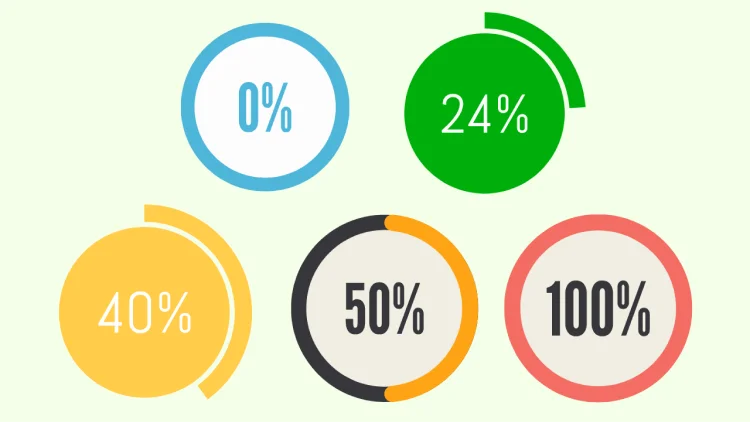
Evaluating the score alongside the source list gives you a more accurate reading than judging originality from the percentage alone.
Once you know why the score is high, you can make targeted revisions instead of changing text randomly or removing useful citations.
Steps to Reduce Unnecessary Similarity
Effective Paraphrasing
Once you understand your Turnitin similarity score, the most direct way to reduce avoidable matches is to paraphrase with real sentence-level change.
Focus on explaining the idea in your own structure instead of swapping a few synonyms. Keep the source meaning accurate, but change the organization, wording, and sentence flow.
For example, instead of “The study demonstrates that climate change impacts migration patterns,” you could write, “Research shows that migration trends are affected by changes in climate.” Strong paraphrasing reduces copied wording while keeping the claim accurate.

Proper Citation Techniques
Even well-paraphrased content can raise concern if the source is not clearly cited, especially when several matched passages point to the same article or website.
Ensure every borrowed idea, statistic, quotation, or distinctive claim includes an in-text citation and a matching reference entry. Use the citation style your instructor requires, such as APA, MLA, or Chicago.
Direct quotes should be placed in quotation marks with proper attribution, and paraphrased content should clearly credit the original author. Accurate citations help reviewers understand why a match appears in the report.
Revising Drafts Before Submission
Before submitting your paper, review your Turnitin similarity score and match report, or check Turnitin score guidance, to identify areas needing revision.

Focus first on sections with major matches and decide whether they need paraphrasing, summarizing, quotation marks, or citations. Minor matches, such as repeated phrases or common terminology, may only need a quick context check.
Iterative drafting helps you see whether revisions reduced avoidable overlap, but each new check should still be read with the match sources and assignment rules in mind.
Applying these strategies prepares your paper for a clearer report, not just a lower number. Understanding Turnitin tools next can help you use the platform for review rather than panic editing.
Tools and Features in Turnitin
Originality Check vs. Feedback Studio
After applying steps to reduce unnecessary similarity, it helps to understand which Turnitin features your course actually uses.
The similarity checking workflow compares your text with available source collections and calculates the percentage shown in the report.
Feedback Studio may also include instructor comments, rubrics, grading tools, and other feedback features, depending on how your class is configured.

Reading both the matched text and any instructor feedback helps you revise for source use, clarity, and assignment expectations at the same time.
Draft Submissions and Self-Checks
Turnitin allows multiple draft submissions in many courses, letting you check your Turnitin similarity score before the final deadline. This feature makes it easier to navigate Turnitin effectively before submitting your final version.
If drafts are allowed, submit early enough to review the report before the deadline. Review each important match, revise the paper, and avoid resubmitting repeatedly without reading what changed.
Draft checking is most useful when your course permits it and when you use the report to improve citation, paraphrasing, and source integration.
Using Turnitin Responsibly
Responsible use of Turnitin means treating the report as revision feedback rather than a score to manipulate.
Avoid changing wording only to reduce the percentage; instead, focus on proper paraphrasing, citation, and original analysis. The Turnitin similarity score is guidance for review, not a final judgment on academic integrity.
Maintaining honesty while revising helps your work reflect both original thinking and accountable source use.
Familiarity with these Turnitin tools and features prepares you to recognize when additional guidance may be necessary. The next section will outline when and how to seek support for interpreting your Turnitin similarity score effectively.
When to Seek Guidance
Consulting Instructors or Supervisors
Even after reviewing your Turnitin similarity score and revising your work, some matches may remain high, confusing, or difficult to judge on your own.
Consulting your instructor or supervisor can clarify whether specific matches are acceptable for the assignment and how to address flagged content.
Bring the report to the discussion and ask targeted questions about citations, paraphrasing, required sources, or assignment-specific expectations. Instructors can explain how the report applies to your course.
Institutional Policies on Similarity
Universities and colleges often have specific policies for similarity reports, source use, draft submissions, and academic integrity review.
Review your institution's guidelines to understand whether thresholds exist, how quoted material is handled, and what rules apply to draft submissions.
Policies may differ by department, assignment type, or instructor, so knowing the local rule is more useful than copying a general percentage from the internet.
Handling Disputes Over Scores
If you believe your Turnitin similarity score misrepresents your work, follow your institution’s dispute procedures.
Document your sources, highlight proper citations, and explain paraphrased or commonly used phrases. Contact the instructor or academic office with organized evidence and ask for a review.
Addressing disputes systematically gives reviewers the context they need and helps prevent a percentage from being misunderstood.
Knowing when to seek guidance helps you navigate Turnitin effectively and prepares you for common questions. The following section will answer frequently asked questions about Turnitin similarity score for practical clarification.
FAQ
1. How Can I Lower My Turnitin Similarity Score Safely?
You can lower avoidable similarity by paraphrasing in your own sentence structure, citing every borrowed idea, using quotation marks for exact wording, and removing unnecessary copied text. Keep your original analysis visible while clearly crediting sources.
2. Can I Submit Multiple Drafts to Check the Score?
Yes, if your instructor or course settings allow draft submissions. Use each draft to identify high-match sections, revise with purpose, and compare reports only after reading the matched sources.
3. What Tools Within Turnitin Help Improve My Score?
Turnitin similarity reports identify matched content and calculate the score, while Feedback Studio may include instructor comments and grading feedback. Together, they help you spot source-use issues and revise more thoughtfully.
4. Is 20% Too High on Turnitin?
A 20% Turnitin similarity score is not automatically good or bad. It may be reasonable for a source-heavy assignment with proper citations, but concerning for a short original reflection if the matches are uncited or closely copied.
5. What Is a Good Turnitin Similarity Score?
A good Turnitin similarity score depends on the assignment, citation rules, source requirements, and instructor expectations. Focus on whether the matches are properly quoted, cited, and explained rather than aiming for one universal number.
Conclusion
Understanding your Turnitin similarity score helps you read academic reports accurately and revise with a clear purpose.
This article explained how to read match reports, separate major and minor matches, reduce avoidable similarity, use Turnitin tools responsibly, and seek guidance when needed.
By applying these strategies, students can treat the similarity score as a review tool, improve citation and paraphrasing choices, and submit work that better reflects their own thinking.