
What Does Turnitin Check: A Complete Guide for Users

Many students, educators, and professionals first wonder what does Turnitin check when submitting papers or reviewing documents.
The system’s reports can seem confusing, showing percentages and matches without clear explanation. This article clarifies exactly what Turnitin examines, how it works, and why understanding these checks matters.
Continue reading to gain a clear picture of Turnitin’s capabilities and how to use its results effectively.

What Does Turnitin Check
Turnitin checks text for originality by comparing it against multiple databases, sources, and prior submissions.
This helps identify potential plagiarism, improper citations, or reused content. It also flags unusual language patterns that might indicate AI-assisted writing.
Key Sources Turnitin Checks

Academic Journals and Publications
Turnitin scans peer-reviewed journals, conference papers, and published research to detect matches in submitted documents.
This ensures that quoted or closely paraphrased material from scholarly sources is properly cited. Students should check whether any direct quotations or borrowed ideas are correctly referenced to avoid flagged matches.
Student Submissions and Essays
The platform maintains a repository of past and current student papers. Turnitin compares new submissions against this database to identify reused content or potential self-plagiarism.
Instructors and students can see if phrases or passages closely mirror previously submitted work, helping maintain academic integrity.
Internet and Public Websites
Turnitin crawls publicly accessible websites, including blogs, news sites, and online articles. Any text in a submission that closely resembles online content is flagged, even if it isn’t formally published in academic sources.
Users should be careful with copied text and ensure proper attribution when drawing from web sources.
Types of Content Analyzed
Text Matches
Turnitin identifies exact and near-exact strings of text that appear in other sources. Matches are highlighted in the originality report, showing the percentage of content overlapping with existing materials.

Students should review these highlights and determine if proper citations are included or if rewording is necessary.
Paraphrasing and Reworded Material
The system can detect paraphrased sections where the meaning is retained but the wording has been changed.
Subtle alterations may still trigger flags, so careful citation and proper rephrasing are critical. Instructors often check these flagged areas to ensure the student’s contribution is original.
Citation Accuracy
Turnitin evaluates whether referenced sources are cited correctly according to academic standards.
Missing, incomplete, or improperly formatted citations can increase similarity scores, even if the ideas are properly reworded. Students should verify that every source in the paper matches the reference list and follows the assigned citation style.
This direct overview of what Turnitin checks sets the stage for understanding how the platform handles more advanced detection tasks, including AI-generated content and nuanced forms of plagiarism.
The next section will examine Turnitin’s AI and plagiarism detection capabilities in detail.
Turnitin’s AI and Plagiarism Detection
How Turnitin Detects AI-Generated Content
Turnitin uses advanced algorithms to analyze writing patterns, syntax, and sentence structures that are typical of AI-generated text. It looks for unusually uniform phrasing, repetitive patterns, or unnatural transitions that differ from typical human writing.
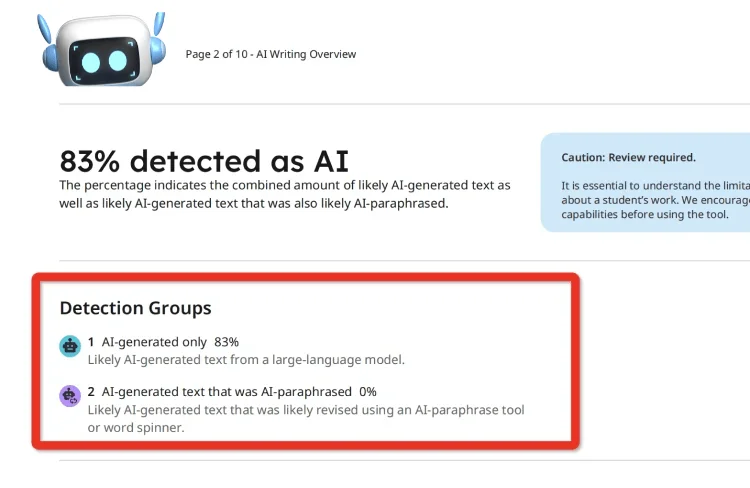
While it does not guarantee detection of every AI-assisted passage, flagged sections are highlighted for instructors to review and verify originality. Students should ensure their work reflects their own voice and reasoning to avoid unintended flags.
Identifying Paraphrasing and Rewording
The system can identify when text has been reworded or paraphrased from source material without proper attribution.
Turnitin compares sentence structure, vocabulary changes, and semantic similarity to detect content that conveys the same meaning as original sources. Even well-intentioned paraphrasing can trigger matches if citations are missing or phrasing is too close.
Reviewing flagged passages and confirming accurate citations can reduce similarity concerns.
Understanding these detection methods helps users interpret Turnitin’s reports more accurately and prepare submissions that meet academic integrity standards. The following section will explore how Turnitin is applied in both academic and professional settings.
Turnitin for Academic and Professional Use
Common Use Cases in Colleges and Universities
In colleges and universities, Turnitin is primarily used to verify the originality of student assignments, essays, and research papers. Professors submit papers to check for matches against academic journals, previous student work, and online content.
It helps instructors identify potential plagiarism, ensure proper citations, and maintain academic integrity. Students can use Turnitin to review drafts before submission, catching unintentional overlaps or formatting issues in references.

Applications Beyond Academic Settings
Turnitin is also employed in professional environments where originality matters, such as corporate training materials, research reports, and publications.
Organizations use it to ensure that content is not copied from existing sources and that proper attribution is maintained.
By analyzing submissions against extensive databases, Turnitin helps businesses and institutions prevent copyright violations, maintain ethical standards, and verify authorship before release.
These practical uses illustrate how Turnitin serves both educational and professional communities, setting the stage for understanding how to interpret the system’s scores and flagged content. The next section will cover understanding Turnitin scores and flags.
Understanding Turnitin Scores and Flags
What Percentages Mean
Turnitin generates a similarity score expressed as a percentage, indicating how much of the submitted text matches sources in its databases.
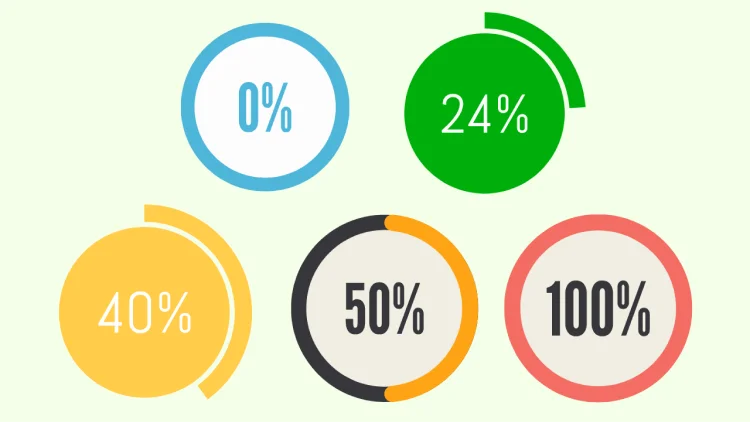
A higher percentage does not automatically mean plagiarism; it may reflect properly cited quotations, common phrases, or references.
Students should review the highlighted matches to determine whether citations are accurate and whether any flagged content requires revision.
Interpreting Matched Sources
Matched sources are listed in the originality report, showing exactly where content overlaps with external material. These sources can include academic publications, internet content, or previous student submissions.
Understanding the type of source and the context of the match helps users distinguish between legitimate citations and potentially problematic reuse.
Limitations and False Positives
Turnitin cannot assess the intent behind writing and may flag legitimate content as problematic, such as technical phrases, standard terminology, or correctly paraphrased material.
False positives can occur when common expressions appear across multiple sources. Users should carefully review flagged content and consult instructors if uncertain, rather than relying solely on the percentage score.
By understanding what scores and flags represent, students and professionals can better interpret Turnitin reports and make informed decisions when preparing or revising submissions. The next section will provide practical tips for improving Turnitin results.
Tips for Improving Turnitin Results
Proper Citation Practices
Accurate citations are essential for reducing similarity scores in Turnitin. Ensure that every quotation, paraphrase, or idea from an external source is properly referenced according to the required citation style, such as APA, MLA, or Chicago.
Double-check in-text citations against the reference list to avoid mismatches, as incomplete or missing citations can trigger unnecessary flags.
Avoiding Accidental Plagiarism
Accidental plagiarism often occurs when reusing ideas or wording without proper attribution. To prevent this, take careful notes during research, clearly distinguish your own ideas from sourced material, and paraphrase thoughtfully rather than just swapping a few words.
Using Turnitin draft submissions can help identify accidental overlaps before the final submission.
Editing and Revisions
Revising drafts can reduce unnecessary matches and improve clarity. Review highlighted sections in the originality report to determine whether rephrasing, additional citations, or removing repetitive content is needed.
Consistent editing ensures that the final submission accurately reflects your own work while adhering to academic integrity standards.
Following these practices prepares students and professionals to submit work that aligns with Turnitin’s expectations and minimizes flagged content. The next section will answer common questions about what Turnitin checks and how it operates.
FAQ
1. Can Turnitin Detect All Forms of Plagiarism?
No, Turnitin cannot detect every form of plagiarism. It checks text against its databases and online sources but may miss uncited ideas, very subtle paraphrasing, or content not stored in its repositories.
2. Does Turnitin Check AI-Generated Content Accurately?
Turnitin can flag patterns typical of AI-generated text, but detection is not 100% reliable. Instructors must review flagged sections to confirm originality.
3. What Is an OK Percentage for Turnitin?
There is no universal “OK” percentage. Generally, low similarity scores (around 15% or lower) with properly cited sources are acceptable, but this depends on your institution’s guidelines.
4. Can Revisions Change What Turnitin Checks?
Yes, editing and properly citing sources can reduce similarity scores and flagged content. Turnitin recalculates matches with each new submission or draft.
5. What Does Turnitin Check Free
Turnitin’s free checks are limited. Some institutions allow draft submissions for originality review, but full reports and AI detection typically require a paid account or institutional access.
6. What Does Turnitin Check Reddit?
Turnitin may detect text that appears on Reddit if it is publicly accessible and indexed by its databases. However, not all Reddit content is guaranteed to be included, so matches may vary.
Conclusion
Understanding what does Turnitin check is essential for students, educators, and professionals who rely on accurate originality reports.
This article reviewed Turnitin’s key functions, detection methods, and interpretation tips, helping readers use the platform confidently.
By knowing how Turnitin evaluates submissions, you can avoid common pitfalls and make informed decisions when submitting academic or professional work.