
Turnitin Similarity Report: How to Understand Scores

When submitting papers through Turnitin, many students and general users encounter a similarity score that can be confusing.
Questions often arise about what the Turnitin similarity report actually shows, how scores are calculated, and whether high percentages indicate plagiarism.
This article will clarify the key features of the report, explain how to interpret its results, and provide practical tips for using it effectively.
Keep reading to gain a clear understanding of your Turnitin similarity report.

What Is a Turnitin Similarity Report
Definition and Purpose
A Turnitin similarity report is a detailed analysis generated after a paper is submitted to Turnitin.
It highlights text matches between the submitted document and Turnitin’s databases, including academic publications, student papers, and web content.
The report shows the percentage of matched content and provides a breakdown of sources, helping users identify potential overlap and evaluate originality without automatically labeling work as plagiarized.
Who Uses Turnitin Similarity Reports
Turnitin similarity reports are used by college students, educators, and general writers who want to verify originality.
Students can review their own work before submitting assignments, while instructors use the report to check consistency, properly attribute sources, and guide feedback.
Professionals in research or publishing may also consult the report to confirm that documents meet originality standards.

How the Report Fits Into Academic and Professional Contexts
In academic settings, the Turnitin similarity report supports honest citation practices and highlights sections that may need paraphrasing or proper referencing.
In professional contexts, it provides a quick check for reused content, ensuring documents meet ethical and copyright standards.
Understanding the report allows both students and professionals to improve their writing and confidently submit work that aligns with institutional or industry expectations.
The insights from a Turnitin similarity report naturally lead into how the system calculates similarity scores, including the sources it checks and how matches are identified, which will be covered in the next section.
How Turnitin Calculates Similarity
Sources Turnitin Checks Against
Turnitin calculates similarity by comparing submitted documents against multiple databases. These include published academic journals, books, and conference papers, a repository of previously submitted student work, and publicly accessible web pages.
The system scans for identical or closely matching text segments, tracking both exact matches and minor variations in wording.
Understanding the sources checked helps users interpret why certain sections of a paper are flagged and where overlaps originate.

Matching Text vs. Ideas
Turnitin primarily identifies matching text rather than matching ideas. Paraphrased content or original analysis that conveys the same concept as a source may not be flagged unless wording is very similar.
Users should note that a high similarity percentage does not automatically indicate plagiarism, as matching quotations or properly cited passages will also appear in the report.
Distinguishing between text matches and conceptual similarity is key for accurate interpretation.
Common Misunderstandings About Percentages
Many users assume the similarity percentage directly reflects plagiarism, but it only measures overlap with Turnitin’s databases.
For example, a 25% similarity score may include correctly cited quotes, references, or common phrases.
Students and professionals should examine the detailed match report to identify legitimate overlaps versus sections that require revision or citation adjustments. Misreading percentages can lead to unnecessary concern or misjudgment of originality.
These calculation details set the stage for understanding how to read and interpret the Turnitin similarity report, including what the color codes mean and how to evaluate each source match, which will be explored in the next section.
Reading and Interpreting Your Turnitin Similarity Report
Understanding the Similarity Percentage
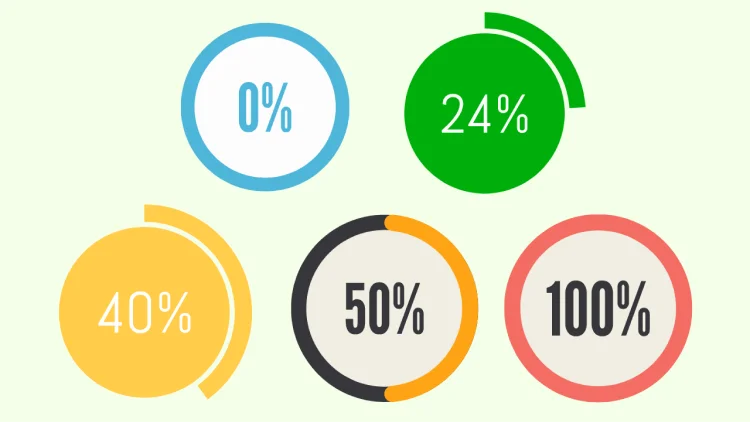
Once a Turnitin similarity report is generated, the first element users see is the overall similarity percentage. This number represents the proportion of the submitted text that matches Turnitin’s databases.
In many academic settings, an ideal Turnitin similarity score is generally considered to be within a low and acceptable range, often below 15%, though specific expectations may vary by instructor or institution. It is important to interpret the percentage in context: small overlaps can come from properly cited quotes, reference lists, or common academic phrases, while larger percentages may indicate sections that need paraphrasing or review.
Focus on the underlying matches rather than relying solely on the percentage itself.
Color-Coded Match Overview
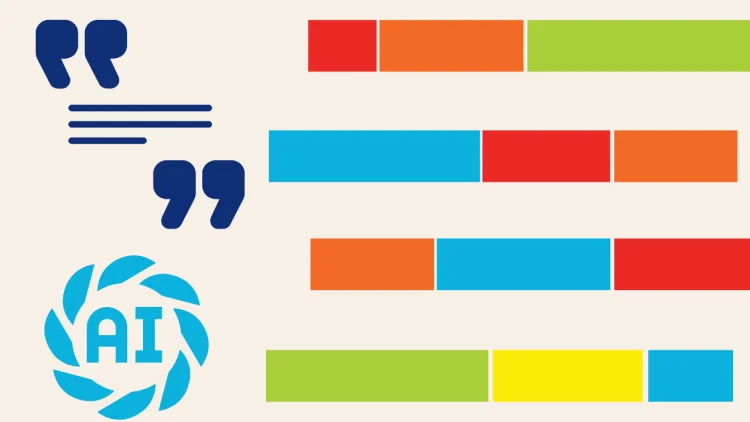
Turnitin uses a color-coded system to highlight text matches, making it easier to identify areas of concern.
Typically, low similarity is shown in blue or green, moderate overlap in yellow, and higher matches in orange or red. Each highlighted section links to the matched source, allowing users to quickly see which parts of their paper correspond to external content.
Paying attention to the colors helps prioritize which sections require review or citation adjustments.
Evaluating Sources and Matches
Beyond the overall percentage and color highlights, the Turnitin similarity report provides a detailed list of matched sources.
Users should examine each source to determine whether the match is properly cited, a common phrase, or an area needing revision. Instructors and students can use this analysis to make informed decisions about rewriting, paraphrasing, or adding references.
Evaluating each match carefully ensures a clear understanding of the report and supports better academic or professional writing practices.
Careful reading and interpretation of the Turnitin similarity report naturally lead to strategies for reducing high similarity scores, which will be addressed in the next section.
Reducing High Similarity Scores
Proper Paraphrasing and Citations
To lower high similarity scores, focus on rewriting content in your own words while preserving the original meaning.
Always provide proper citations for direct quotes, paraphrased material, and ideas sourced from other works.
Using correct citation formats not only reduces flagged text in the Turnitin similarity report but also ensures compliance with academic and professional standards.

Avoiding Common Pitfalls
Common causes of high similarity include copying from previous papers, overusing quotations, or neglecting to cite sources.
Repeating standard phrases or including extensive reference lists can also inflate percentages.
Review the Turnitin similarity report carefully to identify these issues and adjust accordingly, rather than assuming all matches indicate plagiarism.
Tools Within Turnitin to Help
Turnitin offers several tools to assist in managing similarity. The “Exclude Quotes” and “Exclude Bibliography” options allow users to focus on the original body text.
Additionally, the detailed match breakdown helps identify sections that require paraphrasing or proper attribution, guiding revisions to reduce overlap effectively.
For students who want to improve their work before final submission, Turnitin draft coach provides similarity checks directly within writing environments such as Google Docs and Microsoft Word. It helps writers spot matched text during drafting, review citation suggestions, and make revisions earlier, reducing the chance of surprises when generating the final similarity report.
These strategies for lowering similarity scores lead into understanding the accuracy and limitations of Turnitin similarity reports, which will be discussed in the next section.
Turnitin Similarity Report Accuracy and Limitations
What the Report Can and Cannot Detect
The Turnitin similarity report accurately identifies text matches across its databases, highlighting potential overlap with published work, student submissions, and online content.
However, it cannot determine intent or detect conceptual plagiarism, meaning ideas copied without similar wording may go unnoticed.
Users should treat the report as a tool for identifying text similarity rather than a definitive judgment of originality.
Handling False Positives
False positives occur when Turnitin flags common phrases, technical terms, or properly cited content. To handle these, review each match individually and verify whether it constitutes legitimate overlap.
Excluding quotations, bibliographies, or small matches through Turnitin’s filtering options can reduce misleading similarity percentages and provide a clearer picture of genuine concerns.
Differences Between Turnitin Similarity and Plagiarism
It is important to distinguish between a Turnitin similarity report and plagiarism itself. The report shows overlapping text, but plagiarism involves the unethical use of someone else’s ideas or words without proper attribution.
Understanding this difference helps students and professionals use the report effectively while maintaining academic and professional integrity.
Recognizing the limitations and proper interpretation of Turnitin similarity reports prepares readers to answer common questions, which will be addressed in the Frequently Asked Questions section.
FAQ
1. What Is Considered a Safe Turnitin Similarity Report Score?
A safe score typically falls below 15–20%, though acceptable levels vary by instructor, institution, and assignment type. Low percentages generally indicate minimal overlap with Turnitin’s databases.
2. Can a High Turnitin Similarity Report Score Mean No Plagiarism Occurred?
Yes. High scores can result from properly cited quotes, reference lists, or common phrases. Always review the matched sources before assuming plagiarism.
3. How Often Should I Check My Turnitin Similarity Report Before Submitting?
It is recommended to check at least once before the final submission. Reviewing early helps identify sections needing paraphrasing or additional citations.
4. Does Turnitin Similarity Report Include My Own Previous Submissions?
Yes. Turnitin compares new submissions against its database of previously submitted student papers, which may increase similarity if content is reused.
5. Can Turnitin Similarity Report Detect Paraphrased Content?
Turnitin may detect some paraphrasing if wording closely matches existing sources, but it does not reliably catch all reworded ideas. Proper citation is still required.
6. What Should I Do If I Disagree With My Turnitin Similarity Report Results?
Review each flagged match carefully and discuss concerns with your instructor. Clarify any discrepancies or false positives before making revisions.
Conclusion
The Turnitin similarity report is a valuable tool for students and general users to assess text overlap and ensure proper citation.
By understanding how Turnitin calculates similarity, reading color-coded matches, evaluating sources, and reducing high scores through paraphrasing and citations, users can improve the originality of their work.
Being aware of the report’s limitations and interpreting results carefully allows for more confident submissions and better writing practices overall.